Thoughts on 90% Silver Coins vs. Silver Bullion
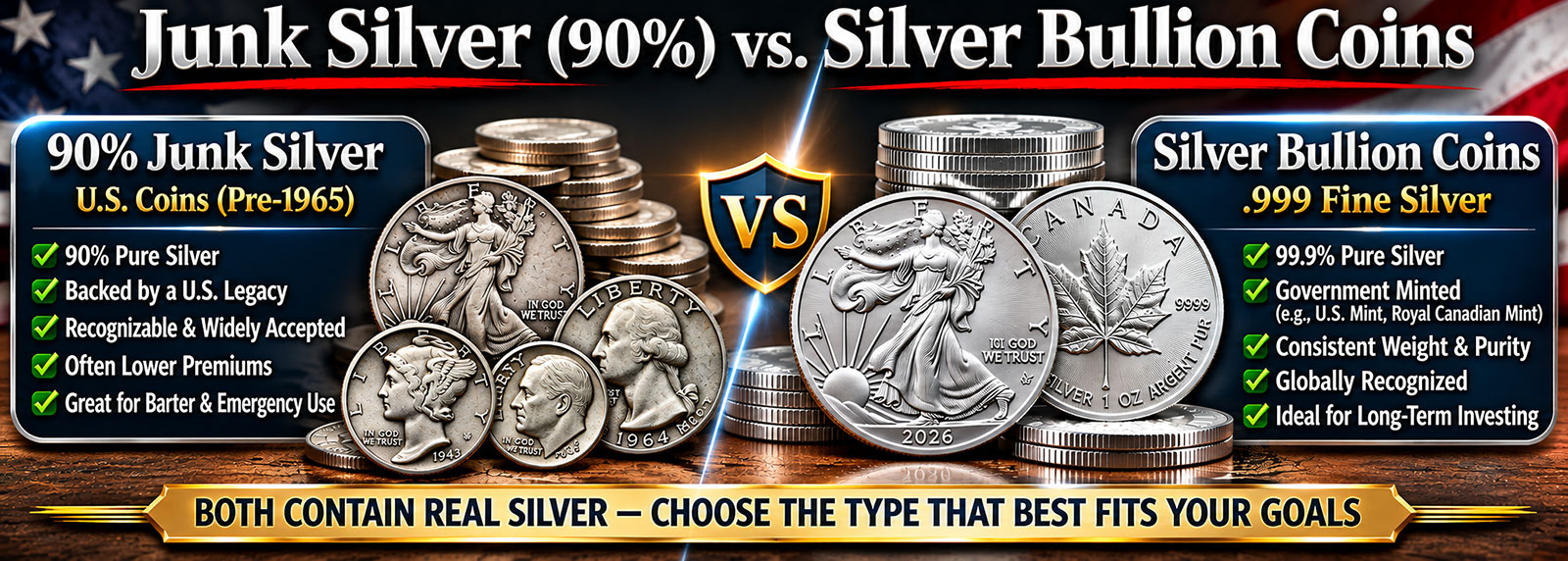
For many silver stackers, the debate between 90% silver coins and modern silver bullion is not an either-or proposition. Both forms of silver have unique advantages, and understanding those differences can help stackers build a more resilient precious metals portfolio.
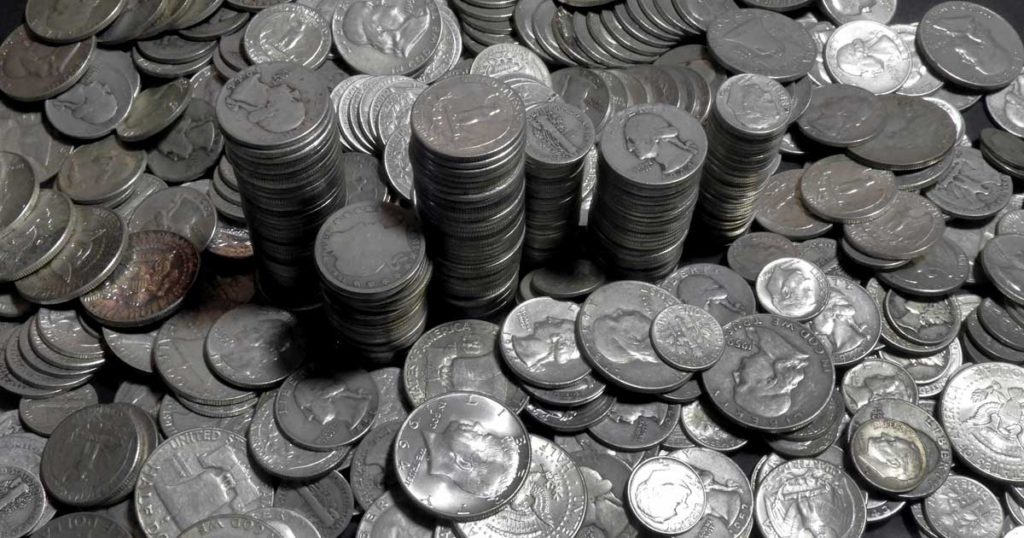 Ninety percent silver coins, often called “junk silver,” include pre-1965 U.S. dimes, quarters, and half dollars that contain significant amounts of silver. Their primary appeal lies in their recognizability, divisibility, and historical role as circulating money. Because these coins are available in smaller denominations, many stackers view them as useful for barter or small transactions during periods of economic instability. Their long history also makes them familiar to collectors and investors alike.
 Silver bullion, on the other hand, is typically available in the form of rounds, bars, and government-minted bullion coins such as the American Silver Eagle. Bullion products generally contain higher purity silver and often provide a more efficient way to accumulate larger quantities of precious metal. Stackers focused primarily on maximizing silver ounces for their investment dollars frequently favor bullion because premiums can be lower than those associated with highly sought-after collectible or semi-numismatic coins.
Liquidity is another important consideration. Both 90% silver coins and bullion are widely recognized and traded, but market conditions can affect demand for one over the other. During periods of heightened economic uncertainty, premiums on 90% silver coins have occasionally risen as buyers seek smaller, easily recognizable units. At other times, bullion may offer better value for investors seeking the lowest cost per ounce.
Diversification within a silver portfolio can provide advantages that neither option offers alone. Holding a mix of 90% silver coins, silver rounds, bars, and government-issued bullion coins spreads risk across multiple forms of physical silver ownership. This approach can provide greater flexibility when buying, selling, or exchanging silver under varying market conditions.
Ultimately, the best choice depends on a stacker’s goals. Those who value fractional silver and historical coinage may lean toward 90% silver coins. Stackers focused on acquiring the greatest number of ounces at the lowest premium may prefer bullion. For many precious metals enthusiasts, a balanced combination of both offers the benefits of recognizability, liquidity, flexibility, and long-term wealth preservation.


